Cooking in Final Fantasy XI unlocks a world of culinary creativity, starting with the Cook job. Players gather ingredients, craft dishes, and earn gil through the Guildshop. Mastery requires leveling, gathering, and experimenting with recipes for profit and fame. Players trade recipes, level, and earn fame.
Getting Started: Jobs and Level Requirements
To begin cooking, you must first select the Cook job, which becomes available at level 10. The Cook skill tree expands as you level, unlocking new recipes and cooking techniques. At level 20, you gain access to the Cooking Guild, where you can learn basic recipes and receive your first set of tools. Each subsequent level unlocks more complex dishes: level 30 introduces the ability to create specialty sauces, level 40 allows you to craft higher‑tier meals, and level 50 opens the advanced cooking menu with rare recipes. The maximum cooking level is 70, where you can produce the most valuable dishes and earn the highest guild fame. To reach level 70, you must consistently gather ingredients, cook daily, and participate in guild events. Additionally, the Cook job requires a minimum Strength of 20 and a minimum Dexterity of 20 to handle the heavy cooking equipment. While other jobs can assist by providing ingredients, only the Cook can fully exploit the cooking system for profit and fame. Remember that each level increase also raises the maximum number of recipes you can learn, so plan your progression accordingly.
Cooking skill points are earned by completing recipes; basic dishes grant 5 points, while advanced recipes can grant up to 20. Accumulating points unlocks higher‑tier recipes and improves efficiency, reducing ingredient costs. Players often use the Cooking Guild’s training sessions, especially during seasonal events, to gain bonus points and increase fame. Completing Daily Cooking Quests rewards both gil and experience, accelerating level daily gains.
Essential Equipment and Tools
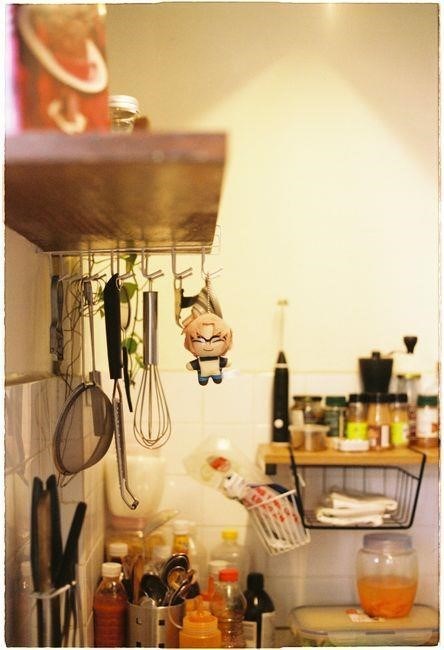
Cooking in Final Fantasy XI relies on a set of core tools that can be acquired at the Cooking Guild or through the in‑game market. The standard kit includes a sturdy cooking pot, a flat chopping board, a long‑handled ladle, a flexible whisk, a flat spatula, a rolling pin, a sharp knife, a calibrated measuring cup, a pair of heat‑resistant tongs, a fine grater, and a classic mortar and pestle. Each item has a specific role: the pot is used for boiling or simmering soups and stews; the board provides a safe surface for slicing vegetables; the ladle extracts liquids; the whisk incorporates air into sauces; the spatula flips or spreads batter; the rolling pin shapes dough; the knife chops ingredients; the measuring cup ensures precise ratios; the tongs hold hot items; the grater adds texture; and the mortar and pestle crush herbs or spices. In addition to the basic kit, players often invest in cooking gloves and an apron to protect against splashes and heat. The Guild also offers a cooking station that automatically combines selected ingredients, saving time for advanced recipes. For high‑level cooking, a precision ladle and a thermometer can be purchased to monitor temperature and yield consistent results. Finally, the cooking apron can be upgraded with different colors and patterns, which may increase the chance of recipe discovery during certain quests or events. Players can experiment with daily herbs to further enhance extra flavor profiles.
Key Ingredients and Where to Find Them
Key ingredients: Earth Crystal, Crying Mustard, Black Bread, Apple Vinegar, La Theine Cabbage, Smoked Salmon, Mithran Tomato. Gather Earth Crystal in Limsa, Mustard from Windurst farms, Bread from Guildshop, Vinegar in Bostaunieux, Cabbage in Selbina, Salmon from fishing, Tomato from southern seas. Check vendor.
Fish and Seafood
In Final Fantasy XI, fish and seafood form the backbone of many cooking recipes, offering both flavor and value. The most sought‑after catch is the Smoked Salmon, prized for its use in the high‑tier Salmon Sub dish. Players typically acquire it by fishing in the Windurst region, using the Fishing skill and a Fishing Rod. Other common ingredients include Sea Bass, Red Snapper, and Bluefin Tuna, each harvested from specific zones such as the Eastern Adoulin and Northwest Adoulin. Crab and Octopus are also valuable, often found near the Rolanberry Fields and Vashimu. These items can be combined with basic seasonings—Crying Mustard, Apple Vinegar, and Black Bread—to create a variety of dishes that boost a cook’s reputation and earnings. Additionally, Seaweed and Sea Cucumber provide essential nutrients for advanced recipes, and are typically gathered from the Coastal zones. Mastering the timing of fishing seasons and the use of Fishing Gear such as the Fishing Rod and Fishing Net maximizes yield, allowing cooks to stock the Guildshop and sell surplus ingredients on the Auction House for significant profit. Seasonal fish such as the Glowing Manta Ray and the Crimson Carp appear during the moonlit nights, offering a burst of rare flavor that can be turned into high‑priced stews. Cooks who master the art of preserving these catches with salt or vinegar can sell them as premium goods, driving up demand in the market. The elusive Sea‑Pearl Fish, found only in the deep trenches of the Eastern Sea, can be turned into a prized consommé that commands top prices among seasoned adventurers.
Vegetables and Fruits
In Final Fantasy XI, the variety of vegetables and fruits available for cooking is surprisingly diverse, offering both flavorful and profitable options. Key staples include the hardy La Theine Cabbage, a common ingredient in many savory dishes, and the bright Mithran Tomato, prized for its sweet, tangy profile that enhances sauces and stews. The Apple Vinegar is derived from locally harvested apples and is essential for balancing acidity in many recipes, especially when paired with Crying Mustard for a sharp, peppery kick. For those seeking a more exotic touch, the Selbina Milk—although technically a dairy product—often accompanies fruit‑based sauces, providing a creamy base that complements the natural sweetness of fruits like the Orange and Grapes found in Windurst markets. These fruits can be transformed into preserves or used fresh in salads, boosting both the dish’s appeal and its market value. Additionally, the Water Crystal and Ice Crystal are frequently harvested from the surrounding waters and can be used to preserve vegetables, extending their shelf life for long voyages. Mastering the combination of these ingredients not only enhances the culinary repertoire but also maximizes profitability at the Guildshop, where seasoned cooks can command premium prices for well‑crafted vegetable and fruit dishes.
Beyond the core items, players can also gather Carrot, Potato, Onion, and Garlic from the fields around Limsa Lominsa, each providing unique flavor notes that pair well with meats or fish. The Lettuce and Spinach are prized for their fresh, crisp textures, ideal for quick salads or as garnish. Fruit options expand further with the sweet Banana, the tart Peach, and the delicate Cherry, all of which can be used raw or cooked into desserts. These ingredients are often sold in bulk at the Guildshop, allowing cooks to experiment with combinations that yield high market demand. Mastery of vegetable and fruit sourcing, combined with proper storage techniques—such as using Water Crystal to preserve freshness—ensures that dishes remain top quality, thereby securing higher prices and increased fame within the cooking guild. Seasoned cooks often share tips on optimal storage to maintain freshness.
Crystals and Minerals
Crystals and minerals form the core of many high‑value cooking recipes in Final Fantasy XI. The most frequently used are Ice, Water, and Earth crystals, harvested from distinct zones or purchased at the Guildshop. Ice crystals are collected from snowy peaks, while water crystals drop from southern marshes. Earth crystals are mined in volcanic regions. These crystals combine with other ingredients to produce staples such as Selbina Butter and Pie Dough. Selbina Butter requires an Ice crystal, Selbina milk, and rock salt; Pie Dough uses a water crystal, San d’Orian flour, Selbina butter, and rock salt. Rock salt is mined from salt flats on the western coast and is essential for seasoning and binding. Rare minerals like the “Luminous Crystal” are found only in deep caves. Players stack crystals in bulk to sell on the auction house, as prices fluctuate with demand. Mastering crystal collection and combination can boost a cook’s reputation and income. Crystals also play a pivotal role in the “Salmon Sub” recipe, which requires an Earth crystal. The “Selbina Butter” recipe relies heavily on the Ice crystal. Chefs keep a small inventory of each crystal type, as recipes may demand multiple crystals in a single batch. Because crystal prices vary dramatically, savvy cooks monitor market trends and adjust buying and selling strategies. Some players specialize in crystal farming, using the Gatherer job to harvest large quantities and sell them for profit. By combining strategic gathering, market awareness, and recipe knowledge, cooks can maximize both culinary output and earnings. These crystals boost dish fame, making them highly sought.
Popular Recipes for Beginners
Beginner cooks often start with Salmon Sub, a 12‑ingredient dish featuring Smoked Salmon, Apple Vinegar, and Earth Crystal. Selbina Butter, made from Ice Crystal, Selbina Milk, and Rock Salt, is a staple for pies. These recipes balance ease, cost, and reputation gains. They also provide experience are cheap gather.
Salmon Sub
Salmon Sub is a beloved dish in Final Fantasy XI, prized for its balanced flavor and lucrative resale value. The recipe calls for seven ingredients: Earth Crystal, Crying Mustard, Black Bread, Apple Vinegar, La Theine Cabbage, Smoked Salmon, and Mithran Tomato. Each component is sourced from specific regions, encouraging exploration. Smoked Salmon is common near Windurst, Earth Crystal from southern volcanic craters, Crying Mustard in eastern valleys, La Theine Cabbage from central plains, Apple Vinegar distilled from western apples, Mithran Tomato in southern islands, and Black Bread baked in the capital markets. Gather all items and head to the Cooking Guild in Windurst. The guild’s cookbook guides the process: combine Earth Crystal and Crying Mustard, add Black Bread and Apple Vinegar to form the base, stir in La Theine Cabbage, then Smoked Salmon, and finish with Mithran Tomato. The resulting Salmon Sub is a savory, high‑gil item in constant demand. A common profit strategy is to buy a full stack of each ingredient, craft twelve Salmon Subs, and sell the remaining eleven on the Auction House or Bazaar. This maximizes profit while keeping inventory efficient. The guild shop also sells the recipe for a modest fee, allowing new cooks to acquire it without extensive gathering. Mastering this dish boosts your Cooking level and provides a steady income for early‑career players. Players often combine the Salmon Sub with other high‑gil recipes to diversify their income. Additionally, the dish grants a small Cooking experience boost, helping to level faster. The recipe is also a popular choice for guild fame, as cooking for the guild earns you points that can be traded for rare items. Finally, the Salmon Sub’s popularity means it is frequently requested by other players, making it a reliable source of income even during downtime. Thanks. Hi
Selbina Butter
Selbina Butter is a foundational recipe for many advanced dishes in Final Fantasy XI. The Cook job can create it by combining three key ingredients: Ice Crystal, Selbina Milk, and Rock Salt. Each component is readily available in the game world, and the recipe is simple enough that even novice cooks can master it quickly.
Ingredients:
- Ice Crystal – Harvested from the frozen regions of the world or purchased from the Cooking Guild shop.
- Selbina Milk – Obtained by milking Selbina cows found in the western part of the map or bought from the Guildshop.
- Rock Salt – A common mineral that can be mined or bought from the market.
Once the ingredients are gathered, open the Cooking menu and select the “Selbina Butter” recipe. The resulting butter is a versatile component used in pies, sauces, and other specialty dishes. It also yields a modest amount of gil when sold at the Guildshop or auction house, making it a profitable item for players looking to boost their income.
Players often stack multiple batches of Selbina Butter to use in higher‑tier recipes or to sell in bulk. Because the recipe requires only three items, it is an efficient way to convert low‑value resources into a more valuable product. Mastering this recipe early in the game provides a reliable source of income and a stepping stone to more complex cooking endeavors.
Its mild flavor high fat content make Selbina Butter a staple for cooks, enhancing dishes with a subtle richness!!!!.
Monetizing Cooking: Selling Recipes and Ingredients
Profiting from cooking hinges on strategic recipe acquisition, ingredient sourcing, and market timing. First, master the Cook job to unlock high‑tier recipes; each new level grants access to dishes that fetch premium prices. Second, focus on ingredients that are both scarce and in demand. For instance, Ice Crystal and Water Crystal are essential for popular butter and dough recipes, while Selbina Milk and Rock Salt pair well for specialty items. Third, leverage the Guildshop’s bulk purchase options: buying a stack of each component, crafting a single dish, and selling the remaining 11 units on the Auction House or local bazaar can yield significant gil. Fourth, monitor regional price fluctuations; items sourced from Windurst often drop in cost as fame increases, allowing cheaper procurement for resale. Finally, diversify by selling both finished dishes and raw ingredients—some players prefer the raw goods for crafting, while others seek ready‑to‑eat recipes for convenience. By balancing these tactics, cooks can turn culinary skill into a steady income stream.
Players should also consider the timing of market peaks; certain ingredients surge in value during festivals, and selling during those windows can double profits. Additionally, crafting high‑tier dishes for guild quests grants fame and unlocks exclusive recipes, further boosting income. Finally, always keep an eye on the Auction House trends, as price swings can turn a modest sale into a lucrative haul. Profit gains now.
Advanced Cooking: High-Value Recipes and Strategies
Advanced cooking in Final Fantasy XI rewards players who invest in rare ingredients and master complex recipes. High‑value dishes such as the legendary “Killer’s Feast,” “Siren’s Delight,” and “Dragon’s Breath” require a blend of exotic meats, crystals, and rare spices that can only be harvested from the world’s most dangerous zones. The key to profitability is timing: gather ingredients during peak market demand, then craft and sell on the Auction House at a premium. Many seasoned chefs use the “Ingredient Swap” system, trading surplus items for scarce ones at the Guildshop, ensuring a steady supply of high‑tier components. Additionally, leveraging the Fame system in each nation can dramatically reduce ingredient costs; the more fame you have, the cheaper the items become, allowing you to lower production costs and increase margins. Finally, mastering the “Recipe Fusion” mechanic lets you combine two lower‑tier recipes to create a new, more valuable dish, unlocking hidden profit streams that are often overlooked by newer players.
Players who master high‑tier recipes often collaborate with guildmates to pool rare ingredients and coordinate cooking events that attract adventurers. By timing dish releases to coincide with in‑game festivals, chefs can command premium prices and boost guild reputation. Some chefs invest in specialized stations that cut crafting time, enabling them to produce more dishes per hour and maximize profit margins. Coordination boosts reputation unlocks rewards. Collaborations culminate that attract adventurers, boosting standing prestige
Interacting with the Guild and Fame Mechanics
Cooking guilds are the hub for recipe acquisition, fame accumulation, and market interaction. Each nation’s guild offers a unique set of recipes that can be purchased or earned through quests. Fame is earned by cooking dishes for NPCs, completing guild quests, and selling recipes back to the guild shop. Higher fame unlocks discounted prices for recipes and ingredients, making the economy more efficient for seasoned cooks.
To maximize earnings, players should focus on the following strategies:
- Fame Farming: Regularly cook for the guild’s cooking NPCs to accumulate fame points. Each successful dish grants a small fame boost, and completing the guild’s weekly challenges can yield large bonuses.
- Recipe Trading: Buy low-cost recipes from the Guildshop, cook them, and sell the surplus ingredients or finished dishes on the auction house. Some recipes, like the Salmon Sub, yield high resale value due to their ingredient rarity.
- Ingredient Sourcing: Certain ingredients are only available in specific regions (e.g., water crystals in Windurst). By traveling to these locations, you can purchase or gather ingredients at lower prices, then sell them back to the guild for profit.
- Guild Reputation: Maintaining a good standing with the guild allows access to exclusive recipes and reduces the cost of premium ingredients. Reputation can be improved by completing guild quests and participating in guild events.
and Further Resources
After mastering cooking fundamentals, players can explore advanced techniques, guild interactions, and monetization strategies in a competitive environment. The community’s shared knowledge—through forums, wikis, and in‑game guild shops—remains the reliable source for up‑to‑date recipes, ingredient locations, and market trends. The Gamer Escapes Final Fantasy XI wiki, for instance, hosts a wide recipe database that includes ingredient combinations, required levels, and suggested selling prices with a variety of options. Players often cross‑reference this with official FFXI patch notes, which detail changes to gathering nodes and item drops, ensuring that ingredient lists remain accurate. Additionally, the FFXI Discord servers and cooking Discord channels provide real‑time advice, allowing cooks to ask questions about rare ingredients or new recipe releases. The in‑game Cooking Guild shop offers a way to purchase or sell recipes, while the Auction House can be used to offload surplus ingredients for profit. For those interested in maximizing fame, the guild’s fame mechanics can be leveraged by completing cooking quests and participating in nation events. Finally, players should keep an eye on community cooking tournaments, which often reward the highest‑scoring dishes with exclusive items and gil and rare. By combining these resources—wikis, patch notes, Discord communities, guild shops, and in‑game events—cooks can refine their skills, stay ahead of market shifts, and achieve mastery in the culinary arts of Final Fantasy XI!
Join the guild to master dishes.